

News Shifters newsroom contributor covering timely updates, explainers and developing stories.
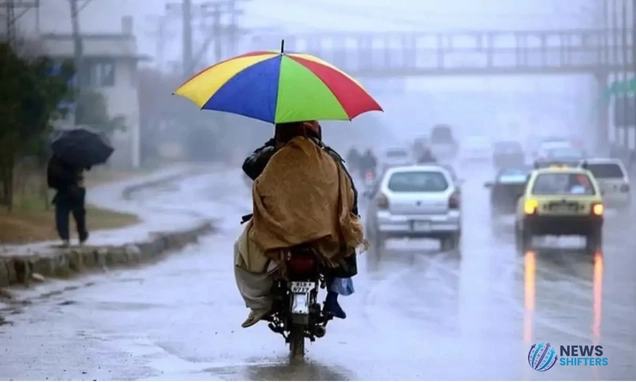
Rain and Thunderstorms in Pakistan have been forecast by the Pakistan Meteorological Department (PMD) across various parts of the country this week. According to the latest updates, several regions, including Punjab, Sindh, Khyber Pakhtunkhwa, and Balochistan, are likely to experience rain accompanied by thunderstorms and gusty winds.
The PMD has issued an advisory stating that a westerly wave is affecting the upper and central regions of Pakistan. This system is expected to bring scattered rain and thunderstorms to cities such as Lahore, Islamabad, Peshawar, Quetta, and Karachi. The weather pattern is expected to persist over the next few days, causing fluctuations in temperature and humidity levels across the country.
Meteorologists have predicted that rain and thunderstorms in Pakistan will help reduce the ongoing dry spell in some areas, while also providing relief from rising temperatures. However, authorities have cautioned that heavy rainfall in isolated areas could cause urban flooding, particularly in low-lying parts of major cities.
Public Advisory and Precautions
The Pakistan Meteorological Department (PMD) has advised residents to stay updated through official weather bulletins. Travelers and commuters are urged to exercise caution during heavy rainfall and to avoid unnecessary movement in areas prone to waterlogging.
In a recent statement, a PMD spokesperson said that people living near riverbanks and hilly regions should remain alert for potential flash floods and landslides. Farmers have also been asked to adjust their irrigation schedules according to the changing weather conditions.
Citizens are encouraged to follow local disaster management authorities for timely alerts. Those in urban centers like Karachi, Lahore, and Islamabad should secure outdoor items and ensure proper drainage to prevent water accumulation. The general public has been reminded to avoid taking shelter under trees or near electric poles during thunderstorms.
For official updates, readers can refer to the Pakistan Meteorological Department website — the primary source for real-time weather forecasts and alerts.
Impact on Daily Life and Agriculture
The rain and thunderstorms in Pakistan are expected to have both short-term and long-term effects on daily life and agriculture. On one hand, the rainfall will help replenish groundwater levels and improve air quality in urban areas. On the other, transportation disruptions and power outages may occur in regions hit by severe weather.
Farmers in southern Punjab and interior Sindh view the rainfall as a positive development for upcoming wheat and sugarcane crops. However, experts warn that excessive rain could harm cotton fields and delay the harvesting of seasonal produce.
Urban centers may face traffic jams and localized flooding if drainage systems fail to handle the increased water flow. The National Disaster Management Authority (NDMA) is monitoring the situation closely and coordinating with provincial authorities to mitigate potential damages.
In addition, citizens are advised to prepare emergency kits and keep their mobile devices charged in case of power interruptions. The weather department emphasized that changing global climate patterns have made unpredictable weather events more common in recent years.
You can read more about seasonal climate patterns in Pakistan for insights on how the country is adapting to these shifts.
Conclusion
In summary, rain and thunderstorms in Pakistan this week mark the arrival of a crucial weather system expected to bring both relief and challenges. While the rainfall will cool temperatures and improve air quality, residents should remain alert to avoid hazards related to heavy downpours.
The PMD continues to monitor the situation and provide updates to ensure public safety. Citizens are encouraged to stay informed, follow official advisories, and take preventive measures during this active weather phase.
Read more news on newsshifters.xyz