
News Shifters newsroom contributor covering timely updates, explainers and developing stories.
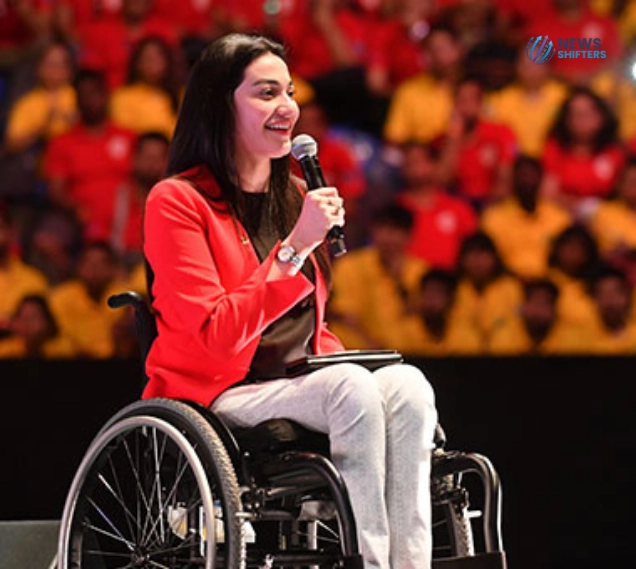
The Pakistan Iron Lady fairer future initiative has gained support, with the leader spearheading actions directed towards policies for women education, empowerment, and equal opportunity. She has gained attention for policy implementations fostering growth to equitable and balanced opportunities for all, focusing urban and rural areas.
Women wellbeing, education, and vocational trainings are, and have been, pilot women empowerment programs that her leadership fostered. Communities are seeing the benefits of these programs, with greater resource amenities and opportunities available for women to grow and develop professionally.
Public Engagement and Feedback
The Pakistan Iron Lady fairer future initiative has also had support from afar and at home. Support from citizens to civil society groups to international organizations have all been directed at her work closing the gaps of inequity from a social and gendered perspective.
These public forums and town halls have drawn citizens, and built an arrangement to hear women speak, and to raise their concerns and propose changes. Policy experts suggest that this, from an engagement perspective, is critical to the sustainability of the policy.
For more information, Newcastle has credible material regarding women empowerment from UN Women Pakistan.
Readers may wish to check out our related article on women leadership in Pakistan to understand local equality efforts shaping the region.
Impact on Society and Policy
The Pakistan Iron Lady fairer future initiatives tend to the shifting social and political landscape of the country. There are now measurable results on the ground from reforms from the education system and other adult workforce rights to rights in the healthcare system.
Resources from the Pakistan Iron Lady are likely to help other South Asian countries looking to improve women’s rights and other social equity issues to advance the Iron Lady’s reforms. In the Iron Lady’s countries, women’s economic participation will likely social cohesion.
Conclusion
These Pakistan Iron Lady’s fairer future initiatives show the value of strong leadership in leading change. Advocacy for the change of education, rights, and other policies for women are strong evidence for the change to Social equity. For the change to remain in the system, it will require the participation of the public and an engagement of the change.
Read more news on newsshifters.xyz
Why Women Empowerment Policy Matters
Women empowerment policy affects education, employment, healthcare, safety and participation in public life. In Pakistan, these issues are especially important because access to opportunity can vary widely between urban centers and rural communities.
A fairer-future agenda needs more than speeches. It requires practical programs, transparent budgets, measurable targets and regular public reporting so citizens can see whether promised reforms are reaching families, students and workers.
Areas to Watch
- Girls’ school enrollment and retention rates.
- Vocational training and digital-skills programs for women.
- Access to healthcare, legal support and workplace protections.
- Representation of women in local decision-making and public offices.
What Would Make the Initiative Stronger?
The strongest version of this initiative would include published progress reports, named implementing agencies, timelines, province-level data and independent community feedback. These details help readers separate meaningful reform from political messaging.
Read more related coverage in our politics, education and lifestyle sections.
FAQ
What does a fairer future initiative usually include?
It usually includes education access, skills training, workplace opportunity, legal protections, healthcare access and community participation.
Why are public forums important?
Public forums allow affected communities to explain problems directly and help policymakers identify gaps in implementation.