
News Shifters newsroom contributor covering timely updates, explainers and developing stories.
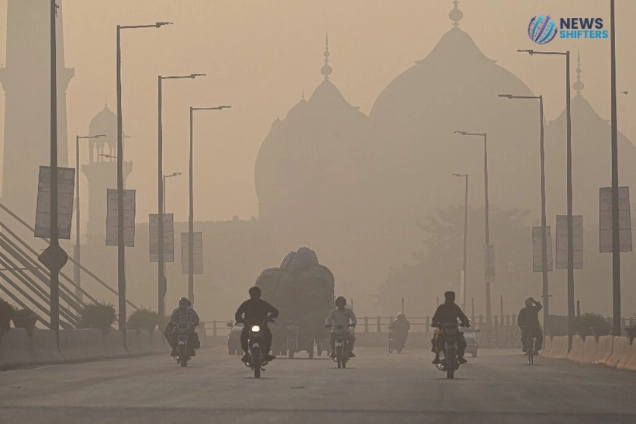
Lahore suffocates under toxic smog and is ranked among the most polluted cities in the world. The city air quality index (AQI) ranked over 450, which drew international attention. Moreover, the air quality was ranked ‘hazardous’ and was directly affecting the health of the city’s residents. Many hospital visits were recorded due to the adverse effect of the pollution, including breathing complications and vision problems.
According to environmental experts, Lahore suffocates due to heavy traffic, and burning of industrial and seasonal crops in neighbouring areas. Since there are no more open air spaces due to disrupted outdoor activities, the air quality is more hazardous. A greater public outcry over the situation is more than justified.
Lahore Suffocates – Latest Pollution Levels
Air quality officials in Pakistan’s Pollution Environmental Protection Agency (EPA) reported the AQI was 452, which is the highest it has ever been recorded for this time of year. There is also recorded public health risk exposure due to excessive amounts of PM2.5 and PM10 particulates, which has surpassed the safe limit, over 10 times.
Air quality officials have acknowledged Lange suffocates every winter. Satellite and local monitoring stations have confirmed for long periods and heavy snow cover the breathing pollutants stagnate and are then dropped over the city.
Experts warn that without intervention, things could get worse. Lahore suffocates under the weight of local emissions and cross-border agricultural fires adding to the atmospheric particulate matter.
Public Advisory and Health Precautions
As Lahore suffocates under perilous circumstances, the Punjab government has given the following advice to the citizens:
- Wear N95 masks when you have to go outdoors
- Do not exercise or take part in any outdoor activities
- Keep the doors and windows of your house closed
Hospitals have seen an increase in patients suffering from asthma, and bronchitis, and other respiratory ailments. The World Health Organization (WHO) has recommended staying indoors, and using air purifiers to avoid health threats, and to decrease exposure to contaminated air.
Some schools have limited outdoor activities, and certain community activities have been delayed. Citizens should check real-time AQI and other pollutants to protect sensitive members of the community, especially the sick, elderly, and children.
Impact on Daily Life and Economy
As Lahore suffocates under an air pollution crisis, it has wreaked havoc on daily routines, travel, and local commerce. There is less people using public transit, and there has been a notable increase in traffic accidents due to the low visibility.Smog has been a huge problem for late autumn and early winter in Lahore and in these regions of Punjab. Analysts claim that prolonged smog will impact millions in lost productivity and in public health costs. These conditions will also affect farmers. They will lose crops because of less sunlight and will further lose crops and profits due to air quality.
Restricting entry of heavy vehicles and closing polluting industries for short periods are potential quick fixes to the problem. Closing these industries has little to no long lasting impact without changes. Environmental activists say that changes are needed in long term planning for the city and smog management in order to keep Lahore from suffocating again.
Conclusion
Lahore is suffocating under hazardous air quality. Experts say that public health and potential economic costs are being ignored and will get worse. Integrated and modernized policies with the practices of industry sustainability on the other hand will end the recurring smog.
Lahore suffocates near the worst smog in its history and one of the worst in Pakistan. Residents are asked to keep up and follow the smog health precautions being recommended.
Read more news on newsshifters.xyz