

News Shifters newsroom contributor covering timely updates, explainers and developing stories.
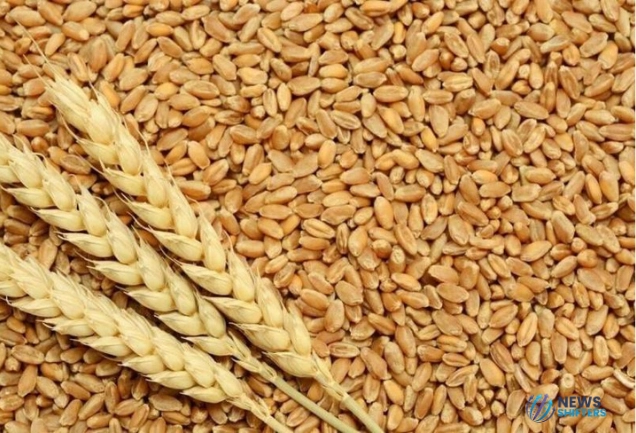
In a bid to secure price stabilization and ensure provision across the country, the 2025 to 2026 wheat policy has been approved by the government. This policy has introduced the free inter-provincial movement of wheat, allowing all provinces to stock adequate amounts of wheat and enough to meet demand. Experts describe this move as vital and forward thinking to take care of the food security needs during the coming fiscal year. the wheat policy comes as a response to the supply security imolementation growing concerns alongside the rise of the interation commodities prices. Wheat policy focuses on the farmers income and the food security needs as it is the focal point of the consumers.
Wheat Policy 2025–26 – Key Features
Approved wheat policy has incorporated an array of positive measures and the decision to increase measures on the production, distribution and pricing stability has been to increase measures to production.
- Support Price Fixation: Minimum support price set at Rs 2,800 per 40 kg
- Procurment Targets: Government aims to procure 8.5 million tons from farmers.
- Subsidy Assistance: Fertilizer and seed subsidies to boost domestic production.
Wheat policy has been designed to focus on Market driven distribution. Government is still ensuring protective measures to farmers income. Modern silos and other processing structures are encouraged to invest the the wheatpolicy.
Freedom in Movement Across Provinces and Management of Supply
The cornerstone of wheat policy is lifting movement restrictions by provinces. This allows all provinces to transport wheat freely to and from any part of Pakistan.
This is to ensure:
- Fair Distribution – Provinces with shortages will get supplies on time.
- Stability in Price – Greater access to markets will lower prices in different regions and reduce disparity.
- Supply Chain Efficiency – There will be faster movement of supplies and less storage bottlenecking.
For more official wheat information visit the Pakistan Bureau of Statistics.
Effects on the Economy and Agriculture
The wheat policy will bring in significant positive effects economically and agricultural as well:
- Increase Farmers’ Income – With the price procurement guaranteed, production will take place.
- Food Availability – There will be enough wheat to sustain 220 million people
- Market Trust – Distribution removing opacity will strengthen trust of investors in the agricultural sector.
Analysts expect the wheat policy to increase domestic wheat production 10–12% which will strengthen global wheat commodity markets.
Conclusion
When the government introduced the wheatpolicy 2025–26, it showed how quick and decisive they were to protect the country’s food needs, maintain market balance, and assist the farmers. The policy’s free inter-provincial movement and targeted procurement plan will help maintain Pakistan’s food security and promote the balanced progress of agriculture.
Experts still feel positive and think the wheat policy will keep the supply stable throughout the year and give producers and consumers the confidence they need in the country’s agriculture system.
Read more news on newsshifters.xyz
Why Wheat Policy Matters
Wheat is a staple food in Pakistan, so wheat policy affects farmers, flour mills, households and government food-security planning. A stable policy can help reduce uncertainty around procurement, pricing and supply availability.
Main Policy Questions
- How procurement targets will be set.
- How farmers will be supported during the season.
- How reserves will be managed to avoid shortages.
- How flour prices and market supply will be monitored.
- Whether provincial and federal coordination improves.
Impact on Consumers and Farmers
For consumers, wheat policy can influence flour prices and food affordability. For farmers, the policy affects planting decisions, expected income and confidence in the procurement process. Clear communication is essential before the season begins.
Read more business and policy updates on News Shifters.
FAQ
Why does wheat policy affect food prices?
Wheat supply, procurement and reserves influence flour availability, which can affect market prices for households.
Who is affected by wheat procurement decisions?
Farmers, flour mills, traders, provincial governments and consumers are all affected by procurement planning and pricing decisions.